Dansk Boligbyg (DBB) is a well-established mid-size contractor in Denmark. In 2020, management decided to speed up digitalisation within the company in order to reduce project risks, increase productivity and earnings and, ultimately, through this transformation, to ensure a better work environment for all its workforce.
Bjarke Aggersbøl Apollo was hired to head this transformation process. His job is teaching employees how to use digital tools and to drive the development of digitalisation skills across the entire organisation.
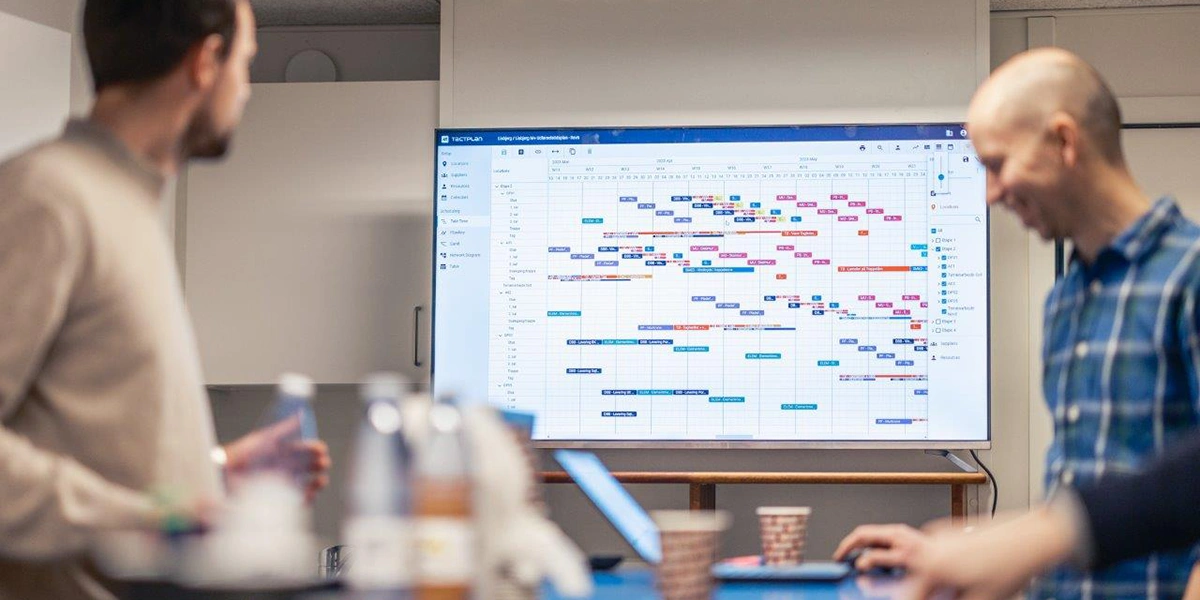
Before Bjarke started, they had already implemented location-based scheduling on several projects. Back then, the user interface of the available software was complex and difficult to learn and use. Because of this, several subcontractors had issues accessing the schedules.
But in spite of these obstacles, more and more project managers at DBB (and in the construction industry in general as well), understood the clear advantages of this method, and wanted to stop using Gantt in favour of location-based scheduling.

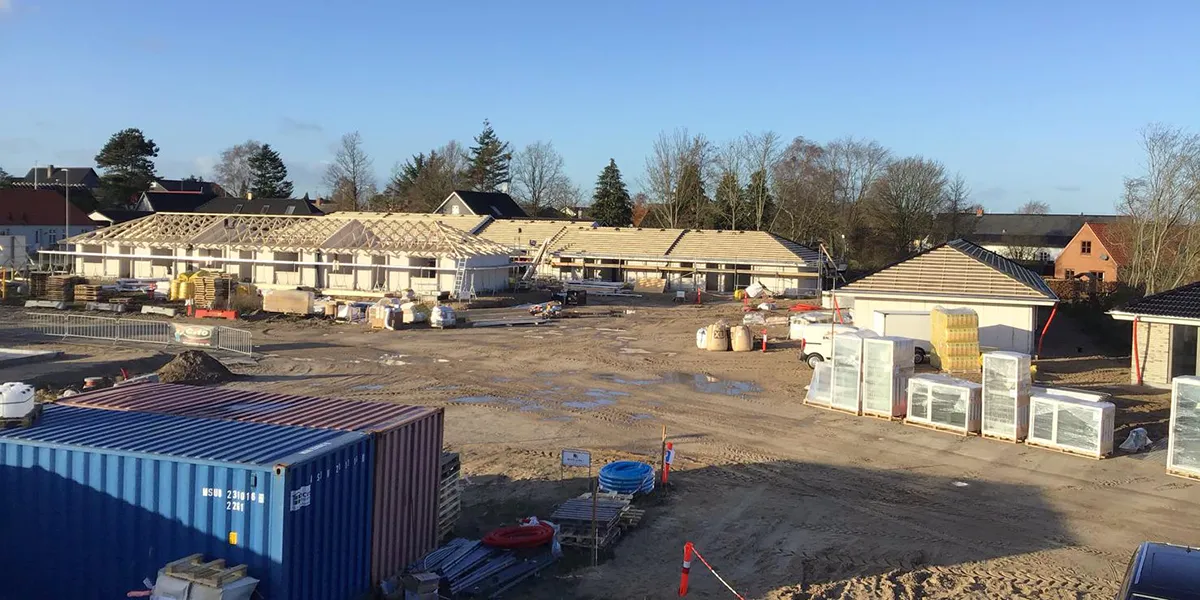
While planning a large multi-story residential building project in Odense, DBB teamed up with the University of Southern Denmark to go all in with Lean. The subcontractors were involved in the scheduling process right from the beginning, using the methods of the last planning system and placing sticky notes on a whiteboard. From the initial phases and during the entire construction process, the subcontractors were an important part of the planning process.
The project was a huge success and a great learning experience – for both DBB and the future project managers from the university.
And success stories like this are exactly what Bjarke needs in order to change the narrative about how construction site planning is carried out at Dansk Boligbyg. All the good examples need to set the standard for upcoming projects.
The feedback Bjarke receives from the project managers using location-based scheduling is that the method saves them at least two weeks in their scheduling, and many experience even bigger time savings. On top of which, they all see an improvement in the level of collaboration and the working environment at the construction site.

This is why Bjarke’s ambition is to now implement location-based scheduling at all DBB projects going forward:
“It’s a really cool method that we’ve implemented on several projects, and I have ambitions to implement it on all projects from now on. Everyone who uses the method sees a clear improvement in both the level of collaboration and the working environment on (the) site.”
However, Bjarke is also a realist, and is well aware that too many user-interface issues and bugs in the software may cause some project managers to turn their backs on the method.
“The pace of change in the construction industry is so fast at the moment. There’s simply no time or surplus mental energy to get to know complex new software,” says Bjarke.

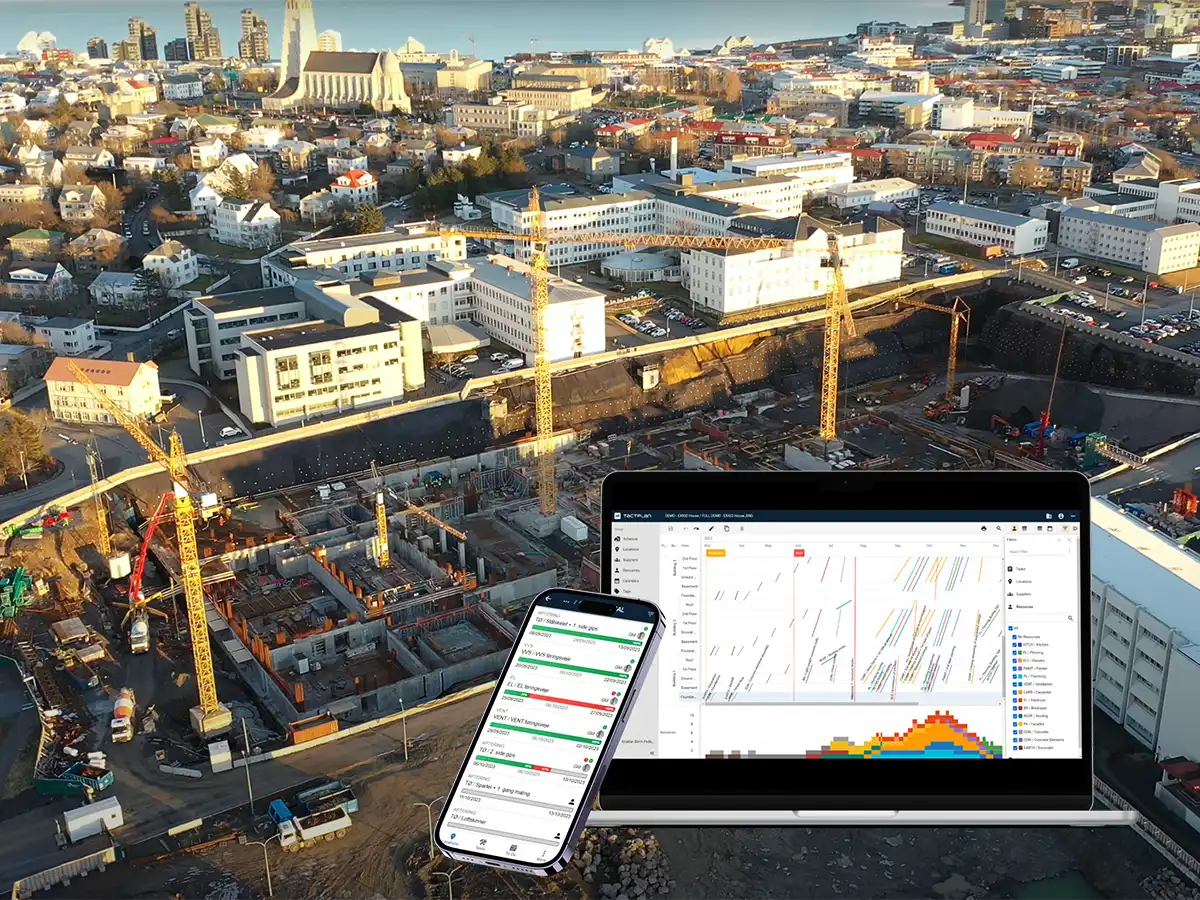
Exigo has developed new and simple-to-use software for location-based scheduling. The software is called Tactplan, and the benefits are immediate.
Bjarke has high hopes:
“FINALLY, a professional product is being developed with a solid platform and based on Nordic management methods. Tactplan is intuitive, with a simple user interface that makes implementation much easier. My ambition is to implement location-based scheduling on all our projects within the next few years, and I can certainly envisage Tactplan as being the tool that makes this possible.”